





YouTube to Enforce Australia’s New Teen Restrictions |Under-16 Users to Be Logged Out Nationwide|
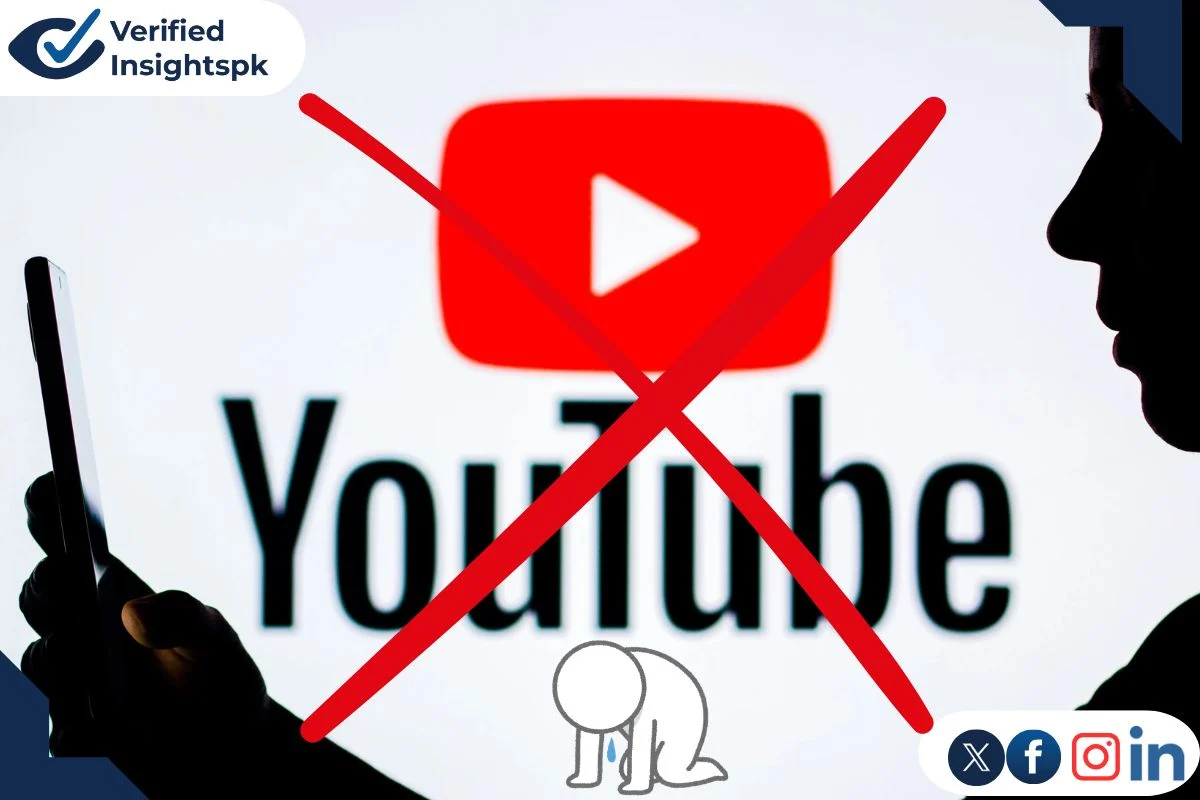
YouTube teen restrictions Australia: Australia’s groundbreaking move to restrict social media access for young teenagers has reached a new turning point. YouTube, one of the world’s most influential digital platforms, has confirmed that it will follow the country’s latest online safety law, even though the company strongly disagrees with it.
Starting December 10, anyone under 16 years old in Australia will be signed out of YouTube and will no longer be able to use a logged-in account.
This major shift marks one of the world’s first attempts to strictly limit teenage access to popular social media platforms. The decision is being watched closely by governments around the globe, as it could shape how online safety laws evolve in the future.
YouTube Confirms Compliance Despite Disagreement
YouTube announced a public statement after weeks of political debate and industry pushback.
The platform has repeatedly argued that the ban is not the right solution for protecting young users. However, the company has now accepted the government’s final decision and will follow Australia’s strict guidelines.
In its statement, YouTube said:
“Viewers must now be 16 or older to sign into YouTube.”
This change will affect hundreds of thousands of Australian teens and their parents. According to the eSafety Commissioner, more than 325,000 YouTube accounts in Australia belong to users between the ages of 13 and 15.
Why Did Australia Introduce This Ban?
Australia’s government says the move is a response to increasing evidence that major tech platforms are not doing enough to protect young users from harmful content.
Authorities say teenagers are being exposed to:
- violent videos
- extremist material
- self-harm content
- addictive algorithms
- highly targeted recommendations
Officials believe the new law will help reduce these risks by limiting access for the youngest users.
The ban is part of a broader push led by the eSafety Commissioner to hold tech companies accountable for children’s online experiences.
What Happens on December 10? Here’s What the Ban Means
Starting December 10, the following rules will take effect in Australia:
Under-16 users will be automatically logged out
Anyone under 16 will lose access to:
- subscriptions
- likes
- comments
- playlists
- watch history
- notifications
- personalized recommendations
- creator features (uploading videos, posting comments, etc.)
Teens can still watch videos, but only when logged out
This means they can view basic content, but their experience will be much less personalized and less interactive.
Content creators under 16 will lose access to their accounts
YouTube has not yet explained how teen creators will be handled, or if age-verification checks will be applied to creators who run channels.
Parental controls will no longer work
In an email to parents, YouTube warned:
“Parental controls only work when your teen is signed in. Once they are logged out, the settings you selected will not apply.”
This is one of YouTube’s biggest concerns; the platform says the ban could make online safety worse because parents will lose the ability to monitor accounts or set restrictions.
Government Reverses Its Earlier Decision
Interestingly, YouTube was initially exempted from the restrictions because of its educational value. Millions of students use the platform for learning, tutorials, and school projects.
But after internal discussions, the government changed its stance and forced YouTube to comply, just like TikTok, Instagram, Snapchat, and other major platforms.
This reversal ensured that all social media platforms are now treated equally under the new teen online safety law.
How Will YouTube Verify Age? Still Unclear!
One major question remains:
How will YouTube confirm who is under or over 16?
The company has not shared any details about age-verification methods. Possible methods may include:
- AI age estimation
- government-issued ID checks
- facial analysis (unlikely due to privacy concerns)
- asking users to confirm their date of birth
- mobile number verification
Creators, parents, and digital rights experts say the lack of clarity is worrying.
Why Tech Companies Disagree With the Ban
YouTube and other social media giants argue that:
• The ban will not stop harmful content
Teens can still access the platform logged out or through VPNs.
• Parental supervision tools will become useless
Parents cannot set controls without logged-in accounts.
• Teens may hide their online activity more
Instead of limiting screen time, it may push teens to create secret accounts.
• Education content will be harder to access
Teens use YouTube for homework, tutorials, science experiments, and lectures.
Despite these concerns, Australia insists the law is necessary for child protection.
Global Impact (Other Countries Watching Closely)
Australia’s move is being seen as a test case for the rest of the world.
Governments in:
- UK
- Canada
- United States (certain states)
- New Zealand
- European Union
They are closely observing Australia’s results to decide whether they should introduce similar age-based restrictions.
If supported by the public, the law could inspire a global wave of stricter regulations on social media use for children.
Fines for Non-Compliance Are Massive
To force compliance, Australia has announced severe penalties for tech companies that break the rules.
Maximum Fine: A$49.5 million
(USD $33 million / GBP £25 million)
This puts enormous pressure on platforms like YouTube, Snapchat, Instagram, and TikTok to enforce the new rules correctly.
Teen Usage Statistics in Australia (The Numbers Tell the Story)
According to the eSafety Commissioner:
- 440,000 teens aged 13–15 use Snapchat
- 350,000 use Instagram
- 325,000 use YouTube
- More than 1 in 3 teens have seen harmful content on YouTube
These numbers highlight why Australia is focusing on social media safety as a top national issue.
What It Means for Teens, Parents & Creators
1) For Teens
- Less personalization
- No interaction
- Potential shift to other platforms
- Possibly more reliance on shared or fake accounts
2) For Parents
- Harder to monitor
- Harder to control content
- Reduced access to educational tools
3) For Content Creators
- Young creators (13–15) may lose access to their channels
- Potential drop in teen audience engagement
- Changes in viewer demographics
Conclusion
YouTube’s acceptance of Australia’s teen restrictions marks a historic moment in the world of online safety. While the platform disagrees with the law, its compliance means big changes are coming for teens, parents, educators, and creators.
The move is bold, controversial, and globally significant. Whether it truly protects young users or creates new challenges is something the entire world will be watching closely.
Australia may have just started a new chapter in the global conversation about youth, technology, and digital wellbeing.