





Iran War 2026: Tehran Rejects US Talks as Israel Strikes Intensify and Global Crisis Deepens
The ongoing Iran war has entered a dangerous and unpredictable phase, with rising tensions across the Middle East and beyond. What began as targeted military operations has now escalated into a full-scale regional conflict involving multiple countries, global powers, and critical energy routes.
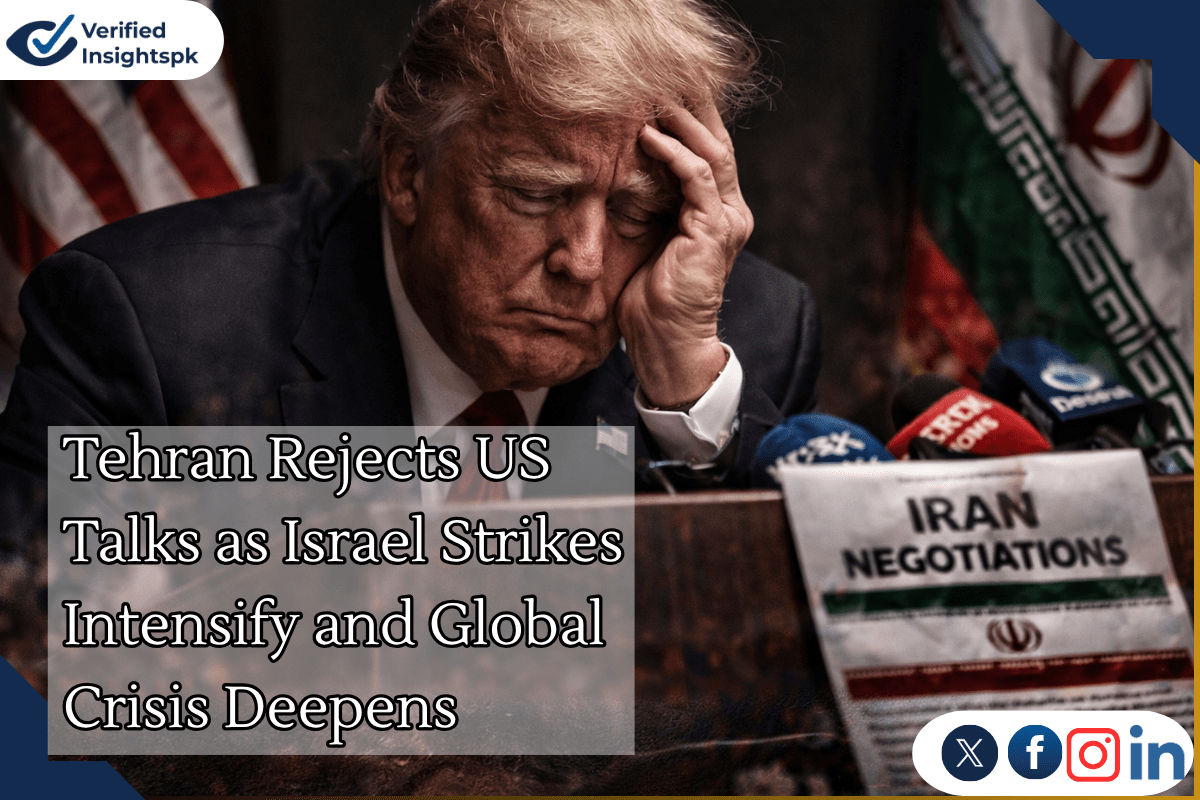
At the center of the latest developments is a sharp contradiction between claims made by Donald Trump and strong denials from the Iranian leadership. While Washington insists that negotiations are underway, Tehran has dismissed these statements outright, saying the United States is “negotiating with itself.”
At the same time, Israeli airstrikes continue to hit key locations in Tehran and Beirut, while Iran responds with missile and drone attacks across Israel and Gulf nations. The conflict is no longer contained—it is now affecting global oil markets, aviation, and economic stability worldwide.
What Triggered the Latest Escalation?
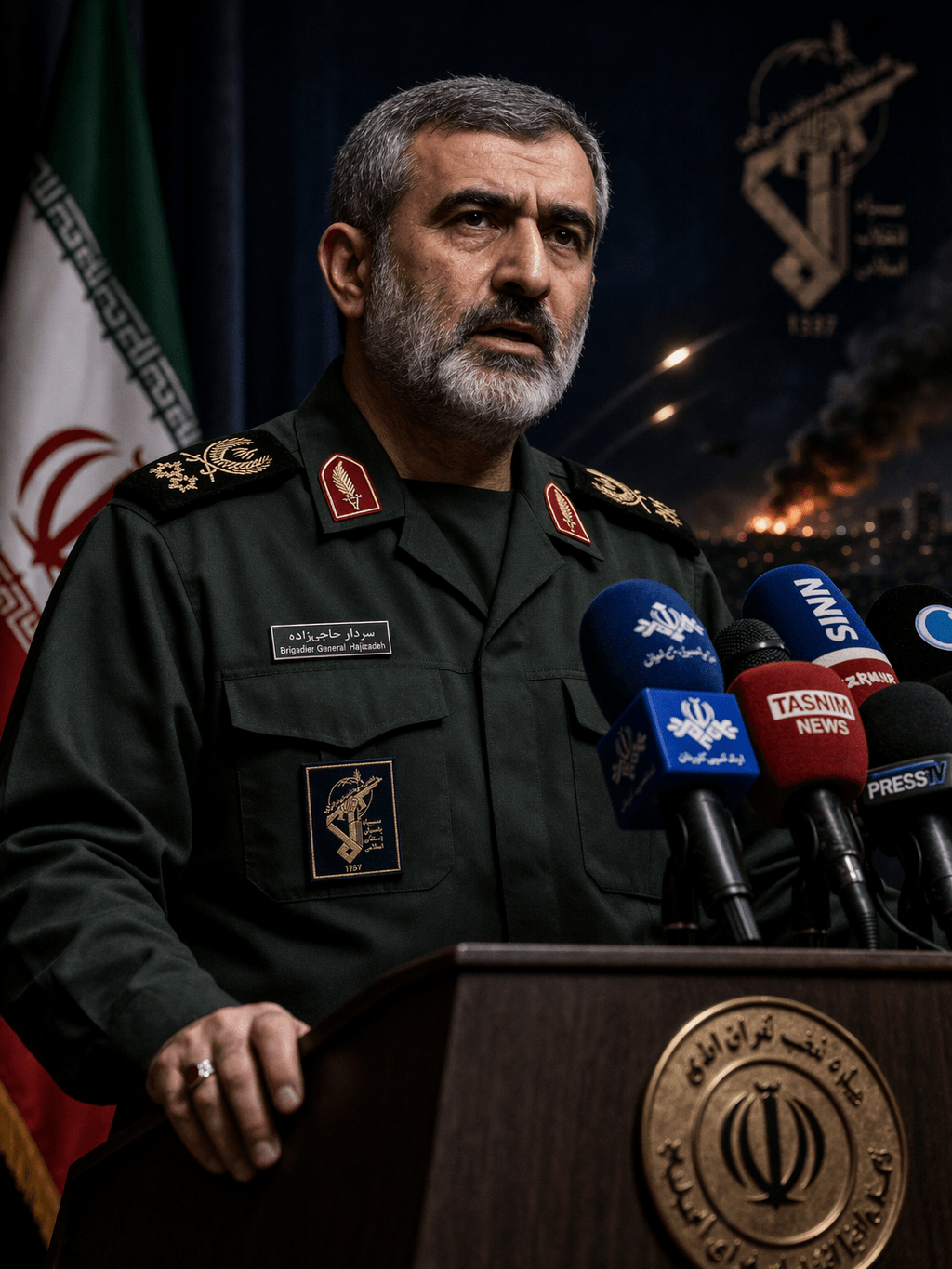
The current phase of the war traces back to late February 2026, when the United States and Israel launched coordinated strikes on Iranian targets. The stated goal was to halt Iran’s nuclear program and weaken its missile capabilities.
Iran, however, has consistently denied developing nuclear weapons and described the attacks as unprovoked aggression. Tehran has since responded with force, targeting US bases, Israeli cities, and strategic infrastructure across the region.
The situation quickly spiraled, drawing in multiple countries and creating a chain reaction of military and economic consequences.
Also Read: Trump Says Iran Ready to Negotiate Ceasefire but “Terms Aren’t Good Enough Yet
Iran Rejects US Negotiation Claims
A major point of confusion—and tension—comes from conflicting narratives around diplomacy.
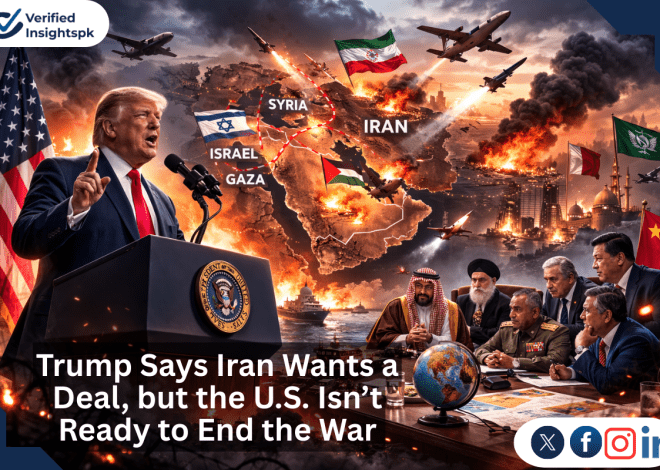
President Donald Trump has repeatedly claimed that the United States is in active discussions with Iranian officials. According to him, Iran is eager to reach a deal, though he has stated that the terms offered so far are “not good enough.”
However, Iran has firmly rejected these claims.
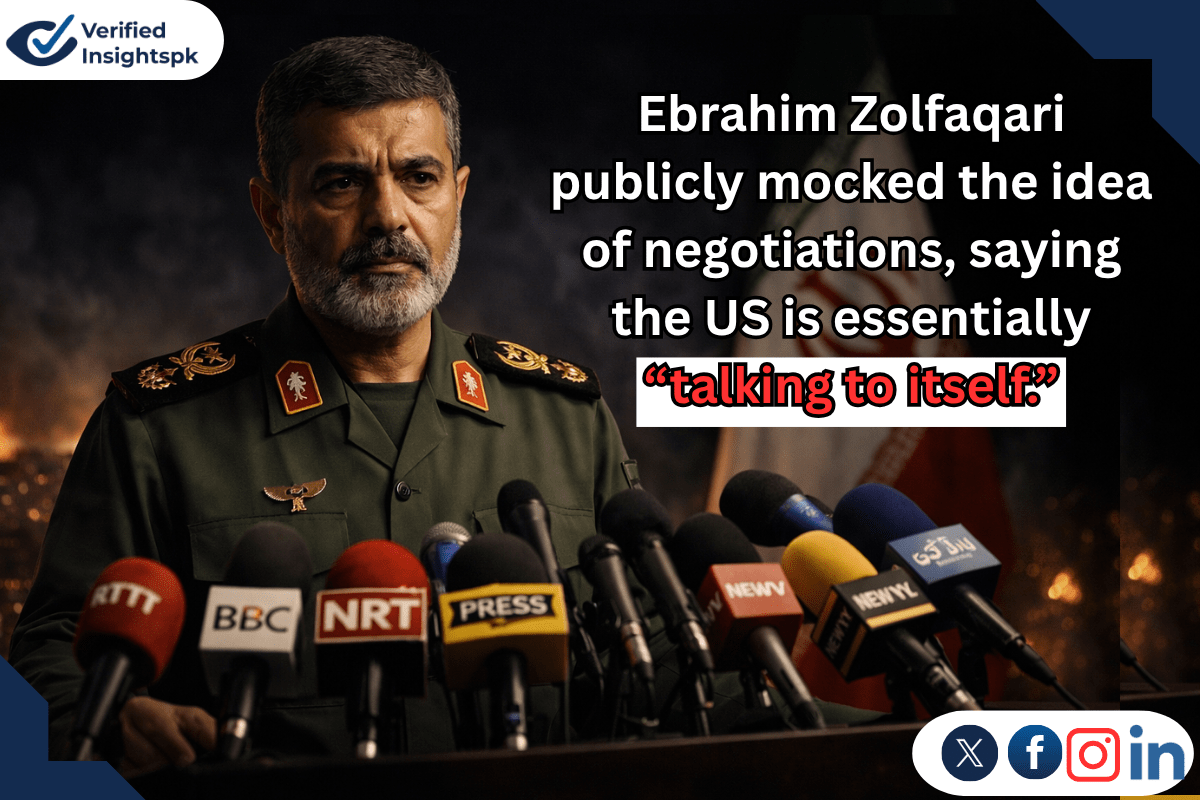
Iranian military spokesperson Ebrahim Zolfaqari publicly mocked the idea of negotiations, saying the US is essentially “talking to itself.” Iranian officials argue that negotiations cannot happen while their country is under active bombardment.
Tehran also pointed to past experiences, stating that it was attacked during previous negotiation attempts, making trust in US diplomacy extremely low.
Also Read: Iran War Live Updates: Israel Strikes Tehran and Beirut as Gulf Tensions Explode
The 15-Point Ceasefire Plan: Reality or Pressure Tactic?
Reports from international media suggest that Washington has proposed a 15-point peace plan aimed at ending the war. While details remain partially unclear, the proposal reportedly includes:
- Dismantling Iran’s nuclear program
- Ending uranium enrichment inside Iran
- Halting ballistic missile development
- Cutting support for regional allies like Hezbollah
- Reopening the Strait of Hormuz
- Lifting certain sanctions in return
Despite these reports, Iran has not officially accepted or even acknowledged the plan as a legitimate negotiation framework.
Interestingly, countries like Pakistan and Türkiye appear to be acting as intermediaries, passing messages between Washington and Tehran. However, no direct talks have been confirmed so far.
Also Read: Trump’s Gaza Peace Plan 2025: Real Hope or Political Mirage?
Israel Expands Military Operations
Meanwhile, Israel has significantly intensified its military campaign.
Israeli forces have launched repeated airstrikes on:
- Tehran
- Beirut
- Southern Lebanese regions controlled by Hezbollah
Residential areas have reportedly been hit, leading to civilian casualties and widespread destruction. In Beirut, thick smoke has covered entire neighborhoods following continuous bombardment.
Israeli officials maintain that these operations are necessary to eliminate threats posed by Iranian-backed groups and military infrastructure.
Prime Minister Benjamin Netanyahu has stated that the war “will not take years,” suggesting a focused but intense campaign.
Iran’s Retaliation Across the Region
Iran’s response has been swift and far-reaching.
The country has launched:
- Missile strikes on Israeli cities like Tel Aviv
- Drone attacks targeting Gulf nations
- Strikes on US military bases in countries like Kuwait, Bahrain, and Jordan
Iran has also targeted critical infrastructure, including airports and fuel storage facilities. One notable incident involved a drone strike hitting a fuel tank at Kuwait International Airport, causing a fire.
These actions demonstrate Iran’s ability to project power beyond its borders, despite sustained attacks on its own territory.
Also Read: Why “Skyfall” Is Trending During the War: The Meaning Behind the Viral Social Media Trend
Strait of Hormuz Crisis Shakes Global Markets
Perhaps the most significant global impact of the war has been the disruption of the Strait of Hormuz.
This narrow waterway is responsible for transporting nearly 20% of the world’s oil and gas supply. Iran’s actions have effectively restricted access, allowing only “non-hostile” vessels to pass under its coordination.
The result?
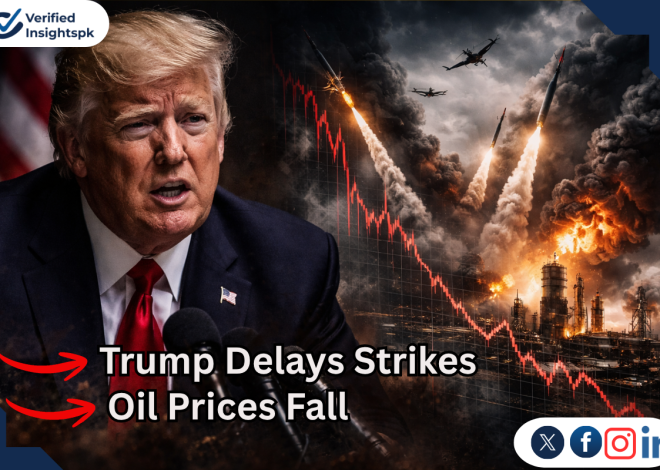
- Oil prices have surged dramatically
- Global shipping routes have been disrupted
- Airlines have cancelled or rerouted flights
- Countries are facing fuel shortages
The crisis has forced the International Energy Agency to release record oil reserves to stabilize markets.
Asia, which relies heavily on Gulf oil, has been hit the hardest. Some countries have even introduced emergency measures such as remote work policies and school closures to manage fuel shortages.
Humanitarian Crisis Worsens
Beyond military and economic consequences, the human cost of the war continues to rise.
In Lebanon alone, the UNHCR reports that nearly 30,000 people have been displaced in just a few days.
Many families are:
- Living in temporary shelters
- Sleeping in cars
- Stuck in traffic trying to escape conflict zones
In Iran, the death toll has reportedly reached hundreds, with ongoing rescue operations in bombed areas.
The humanitarian situation in Gaza is also deteriorating, with fuel shortages threatening essential services and food supply chains.
Also Read:
US-Israel War With Iran Escalates: Strait of Hormuz Threat, Tehran Strikes, and Global Shockwaves
US Military Build-Up Signals Prolonged Conflict
Despite talks of diplomacy, the United States is simultaneously preparing for further escalation.
Reports indicate that thousands of additional troops, including units from the 82nd Airborne Division, may be deployed to the region. This would add to the already large US military presence.
This dual approach—talking about peace while preparing for war—has raised concerns globally.
Analysts suggest that this could mean:
- The conflict may last longer than expected
- A broader regional war remains possible
- Diplomatic efforts are still uncertain
Confusion and Mixed Signals Dominate the Situation
One of the most striking aspects of the current crisis is the lack of clarity.
On one side, the US claims progress in diplomacy. On the other hand, Iran completely denies any negotiations.
This contradiction has created what analysts describe as a “fog of war” not just on the battlefield, but also in communication.
Even within Iran, reports suggest confusion about whether any indirect talks are happening behind the scenes.
Global Economic Impact: A Growing Concern
The war is no longer just a regional issue—it is a global economic threat.
Key impacts include:
- Rising fuel prices worldwide
- Increased inflation risks
- Disruptions in global trade
- Pressure on financial markets
Countries heavily dependent on imported energy are facing the most severe challenges.
The situation has drawn concern from global institutions and governments, with calls for immediate de-escalation.
Also Read: OpenAI Faces Backlash After Pentagon AI Deal as ChatGPT Uninstalls Surge
Role of Pakistan and Türkiye as Mediators
Interestingly, countries like Pakistan and Türkiye are emerging as potential mediators.
Pakistan has reportedly:
- Shared US proposals with Iran
- Offered to host talks between the two sides
Türkiye is also believed to be passing messages between Washington and Tehran in an attempt to reduce tensions.
While these efforts are still in early stages, they could play a crucial role in preventing further escalation.
What Happens Next?
At this stage, the future of the conflict remains uncertain.
Several possible scenarios include:
- Escalation into a wider regional war
- Temporary ceasefire through indirect negotiations
- Prolonged conflict with ongoing strikes
The outcome will likely depend on:
- Whether diplomacy gains traction
- How both sides respond to continued attacks
- The role of international mediators
Final Analysis
The Iran war of 2026 is shaping up to be one of the most complex and impactful conflicts in recent history. It combines military confrontation, political rivalry, economic disruption, and humanitarian crisis—all unfolding simultaneously.
While the United States talks about negotiations, Iran rejects them. While diplomacy is discussed, military actions continue to intensify.
For now, the world watches closely as events unfold, knowing that the consequences of this conflict extend far beyond the Middle East.
At Verified Insights, we believe this conflict is not just about war—it is about global stability, energy security, and human lives. The Iran crisis shows how quickly regional tensions can turn into worldwide challenges.
For readers and observers, staying informed is more important than ever. The situation is evolving rapidly, and every development carries significant consequences.
Stay connected with Verified Insights PK for real-time updates, deep analysis, and fact-based reporting you can trust.
FAQs
Q1: Is the US negotiating with Iran in 2026?
Iran has denied any negotiations, while the US claims talks are ongoing, creating confusion about diplomacy.
Q2: Why is the Strait of Hormuz important?
It carries nearly 20% of the global oil supply, making it critical for global energy markets.
Q3: What is the 15-point plan for Iran?
It reportedly includes stopping Iran’s nuclear program, missile development, and reopening oil routes.
Q4: How is the Iran war affecting oil prices?
Disruptions in supply have caused oil prices to surge and triggered global economic concerns.
Q5: Which countries are involved in the Iran war?
Main players include Iran, the United States, Israel, and several Gulf nations.