







Eating Trends That Will Shape 2026 |How Food Habits Are Changing|
As we move closer to 2026, eating habits are changing faster than ever. People today are more aware of their health, the environment, and how food affects their daily lives. Unlike previous years, food choices in 2026 are not only about taste. They focus on wellness, sustainability, convenience, and technology.
From personalized diets to plant-based meals and smart eating solutions, here are the top eating trends that will dominate in 2026.
Personalized Diet Plans for Better Health
One of the biggest food trends in 2026 is custom diet planning. People no longer follow the same diet as everyone else. Instead, they choose food based on their body type, gut health, activity level, and health goals.
New tools like DNA testing kits, wearable health devices, and AI-based nutrition apps help people understand what food suits them best. Nutrigenomics, which studies how food affects our genes, is also gaining popularity. It helps people balance carbohydrates, proteins, fats, and vitamins more effectively.
Plant-Based and Flexitarian Eating
Plant-based eating continues to grow in 2026, but it is more flexible now. People are not fully vegetarian. Instead, they follow a flexitarian diet, where plant foods are the main focus, with small amounts of meat or seafood.
This trend supports both personal health and environmental sustainability. Meals now include more vegetables, whole grains, seeds, and plant proteins, making food nutritious and flavorful.
Gut Health-Friendly Foods
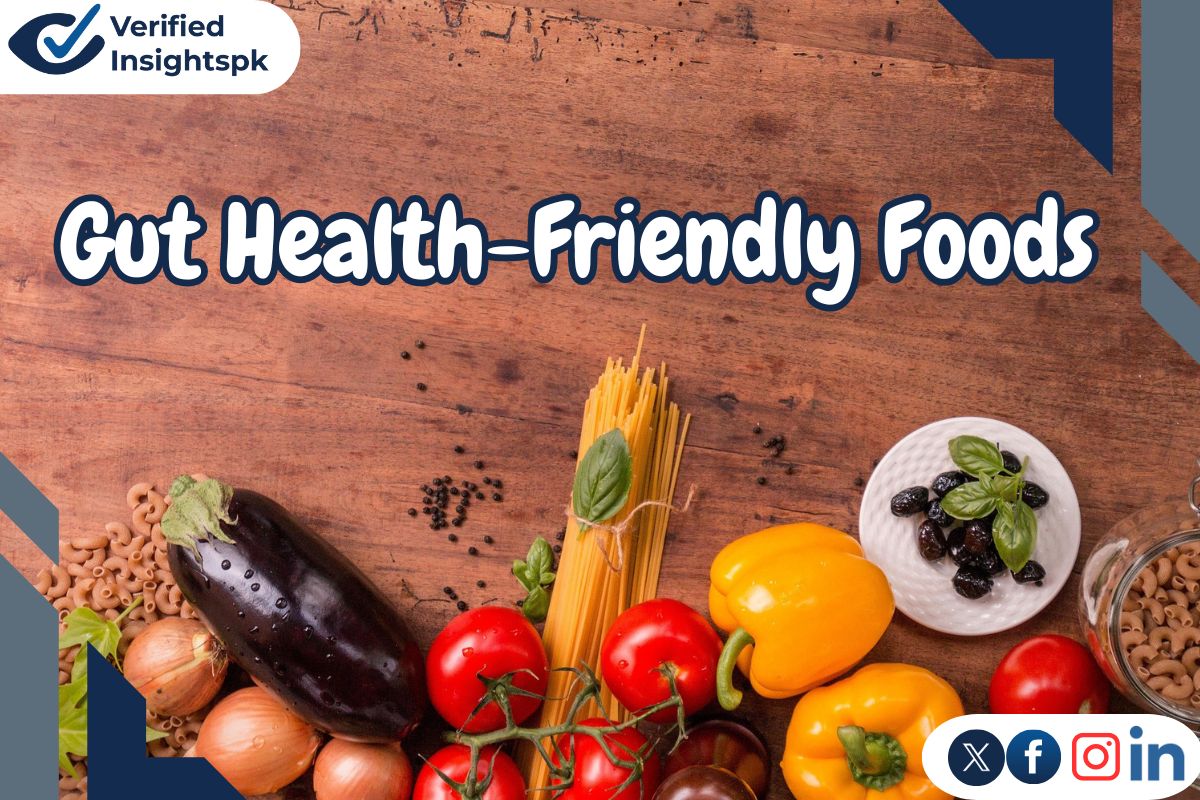
Gut health is a major wellness focus in 2026. Research shows that a healthy gut improves immunity, mental health, digestion, and weight management. Popular gut-friendly foods include.
- Probiotics like yogurt, kimchi, and kefir
- Prebiotics such as garlic, onions, and bananas
- Fermented foods that support digestion and nutrient absorption
People are now eating not just for taste, but to keep their gut healthy.
Sustainable and Eco-Friendly Eating
Sustainable food choices are becoming a lifestyle in 2026. People care more about how food affects the planet, including carbon emissions, water usage, and biodiversity.
Sustainable eating includes:
- Regenerative farming
- Zero-waste cooking
- Locally sourced ingredients
Food labels now highlight sustainability details, and seasonal produce menus are becoming common. In 2026, people will choose food that is good for both health and the environment.
Technology-Driven Eating (The Future of Food)
Technology is changing the way people cook and eat. In 2026, AI-powered meal planners, smart kitchen appliances, and virtual chefs will be more common.
Examples include:
- AI meal planning apps based on health needs
- Smart appliances that track calories and nutrients
- Virtual chefs that suggest easy recipes
These innovations make eating simpler, smarter, and more enjoyable.
Functional Foods for Extra Health Benefits

Functional foods are trending strongly in 2026. These foods offer extra health benefits beyond basic nutrition, such as supporting immunity, brain health, and heart health.
Popular functional foods include:
- Turmeric products for inflammation
- Omega-3 snacks for brain health
- Berries and green tea for antioxidants
People now use food as a natural way to improve their overall health.
Healthy Snacks and Snackification
Busy lifestyles are driving the trend of healthy snacking. In 2026, people prefer small, balanced snacks instead of large meals.
Popular smart snacks include:
- Protein balls with nuts and chia seeds
- Veggie sticks with whole grains
- Mini nutrient-rich meals
Snackification combines convenience and wellness, making it ideal for modern life.
Zero-Waste Eating Habits
Zero-waste eating is gaining attention in 2026. People try to reduce food waste by using entire ingredients, including roots and stems, and choosing products with minimal packaging.
Restaurants and food brands are also adopting eco-friendly packaging and waste-reduction practices.
New Protein Sources for the Future
Protein choices are expanding in 2026. Along with plant proteins, people are exploring alternative protein sources that are more sustainable.
These include:
- Pea and lentil protein
- Mycoprotein is made from fungi
- Insect protein
- Lab-grown meat
These options help meet protein needs while reducing environmental impact.
Conclusion
Eating trends in 2026 show a clear shift toward health, sustainability, technology, and mindful choices. From personalized nutrition and gut-friendly foods to plant-based meals and smart cooking tools, the future of eating is balanced and thoughtful.
People no longer eat only for taste. They eat for better health, a healthier planet, and a smarter lifestyle. Whether you enjoy clean eating or exploring new food innovations, 2026 offers exciting changes in how we eat and live.
Disclaimer
The information provided in this article is intended for general informational and educational purposes only. It does not constitute medical, nutritional, or professional advice. Food trends and dietary practices may vary depending on individual health conditions, cultural preferences, and lifestyle factors.
Readers are encouraged to consult a qualified healthcare professional, nutritionist, or dietitian before making significant changes to their diet or lifestyle, especially if they have existing medical conditions, allergies, or specific dietary requirements.
While efforts have been made to ensure accuracy and reliability, the publisher does not guarantee the completeness or timeliness of the information presented. Trends discussed in this article are based on current market observations, consumer behavior studies, and publicly available research, and may evolve over time.