







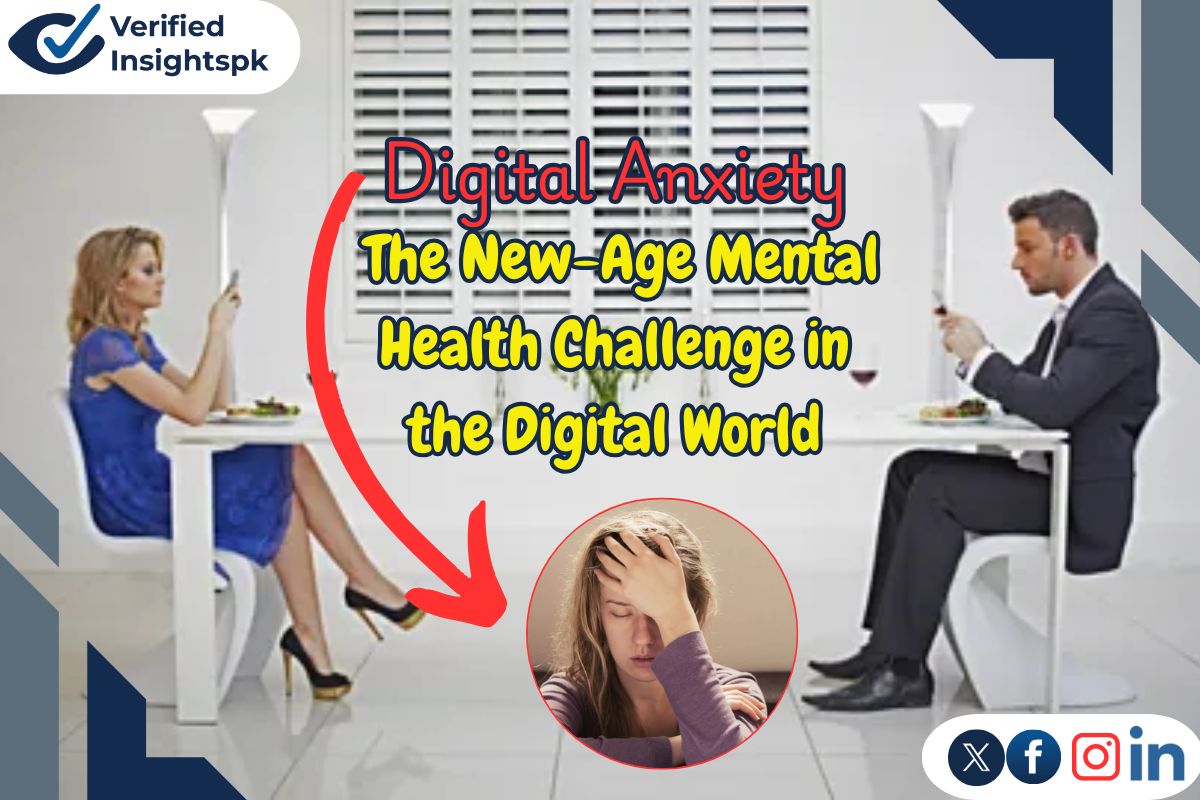
Digital Anxiety: The New-Age Mental Health Challenge in the Digital World
In today’s connected world, digital anxiety has become a fast-growing mental health problem. People of all ages now face digital stress because of constant phone use, social media pressure, and the need to stay online all the time.
Technology makes life easier, but it also creates anxiety from screen time, notifications, and online comparison. This technology anxiety affects emotions, sleep, productivity, focus, and self-confidence. Many people suffer from digital mental health issues without realizing it.
So, you are facing such issues; this article is for you. Must read it entirely so that you can make yourself aware of such conditions and know the solution to overcome.
What Is Digital Anxiety? (Meaning and Symptoms)
Digital anxiety means feeling stress, fear, or discomfort because of phones, the internet, or online activities. It includes:
- Anxiety from phone use
- Social media anxiety
- Fear of missing out (FOMO anxiety)
- Digital overload anxiety
People feel pressure to stay updated, reply fast, and keep scrolling. This leads to online anxiety symptoms like restlessness and mental fatigue.
Digital anxiety is common in:
- Teenagers and students
- Young adults
- Office workers
- Heavy social media users
Because technology is part of daily life, many people do not notice the signs of digital anxiety early.
Rise of Digital Anxiety: What Causes Digital Stress?
There are many reasons why digital stress and anxiety are increasing.
Non-Stop Notifications and Alerts
Every beep, vibration, or pop-up sends a stress signal to the brain. When this happens all day, the body stays in stress mode, causing digital distress, emotional exhaustion, and poor focus.
Fear of Missing Out (FOMO Anxiety)
Social media shows only the best moments of others’ lives. This creates social comparison anxiety, insecurity, and pressure to stay online all the time.
Information Overload and Doomscrolling
People now consume more information in one day than in one month. Constant news, reels, and posts lead to digital overload anxiety and mental burnout.
Pressure to Perform Online
Likes, followers, fast replies, and perfect photos create social media anxiety. This pressure damages self-esteem and increases stress.
Online Pressure at Work and School
Online classes, remote jobs, and virtual meetings turn screens into classrooms and offices. This causes screen time stress and anxiety, especially in students and professionals.
Common Symptoms of Digital Anxiety
The symptoms of digital anxiety are different for everyone, but common signs include:
- Feeling anxious without a phone
- Checking messages again and again
- Anxiety from notifications
- Trouble focusing or memorizing
- Sleep problems after screen use
- Headache, eye strain, and mental fatigue
- Feeling irritated when offline
- Comparing life with others online
- Low mood or sadness
If you notice these signs, you may be experiencing digital anxiety disorder symptoms without knowing it.
Effects of Digital Anxiety on Mental Health
Digital anxiety and mental health are closely connected. This problem slowly affects daily life and emotional balance.
Decreased Focus and Productivity
Constant scrolling and phone checking reduce attention span and make it hard to focus on real-life tasks.
Sleep Problems and Anxiety
Blue light from screens reduces melatonin. This leads to poor sleep and higher anxiety levels.
Low Self-Esteem and Confidence
Fake online lifestyles make people feel unsuccessful and unhappy with their own lives.
Increased Stress Levels
Being available 24/7 creates pressure and technology-related stress.
Loneliness and Social Isolation
Too much online interaction reduces real-life connections, leading to emotional distance and loneliness.
How to Reduce Digital Anxiety: Simple and Practical Tips
The good news is that digital anxiety relief is possible. You do not need to leave technology completely—just use it wisely.
Follow the 20-20-20 Rule
Every 20 minutes, look at something 20 feet away for 20 seconds. This reduces screen anxiety and eye strain.
Turn Off Unnecessary Notifications
Disable alerts from non-important apps to reduce sudden stress triggers.
Take Digital Breaks
Stay away from screens after waking up and one hour before sleeping. This helps reduce internet anxiety.
Limit Social Media Use
Track your screen time and reduce social media use to control social media anxiety.
Practice Mindfulness and Relaxation
Deep breathing, meditation, and light exercise help calm the mind and reduce stress.
Do Offline Activities
Reading, walking, drawing, cooking, and outdoor activities reduce digital overload anxiety.
Unplug Before Bedtime
Stop phone use 30–60 minutes before sleep to improve rest and mental health.
Use Digital Media Wisely
Follow positive and inspiring content. Unfollow accounts that cause insecurity or comparison.
Why We Must Address Digital Anxiety Now
With AI, virtual reality, and advanced social platforms, digital anxiety will continue to grow if ignored. Awareness is the first step toward digital well-being.
Schools, parents, workplaces, and mental health experts now recognize digital anxiety as a real psychological concern. Early awareness helps prevent long-term damage.
Conclusion
Digital anxiety is one of the biggest mental health challenges of modern life. While technology is useful, overuse leads to anxiety, stress, sleep problems, and emotional imbalance.
By setting healthy boundaries, limiting screen time, and practising mindful habits, people can reduce digital stress and protect their mental health.
A balanced digital life helps you stay connected without losing peace of mind.
Disclaimer
The information provided in this article is for educational and informational purposes only and is not intended as medical, psychological, or professional mental health advice. The content is based on general awareness, publicly available research, and common wellness practices related to digital wellbeing and mental health.
Digital anxiety and mental health conditions can vary from person to person. Readers experiencing persistent anxiety, stress, sleep problems, or emotional distress should consult a qualified healthcare professional, psychologist, or mental health specialist for proper diagnosis and treatment.
This article does not replace professional medical advice, diagnosis, or therapy. Verified Insights Pakistan does not claim to provide medical or mental health services, and readers should not rely solely on this content for health decisions.
External references and general recommendations mentioned in the article are intended to support awareness and understanding only. Always seek professional guidance for individual health concerns.