







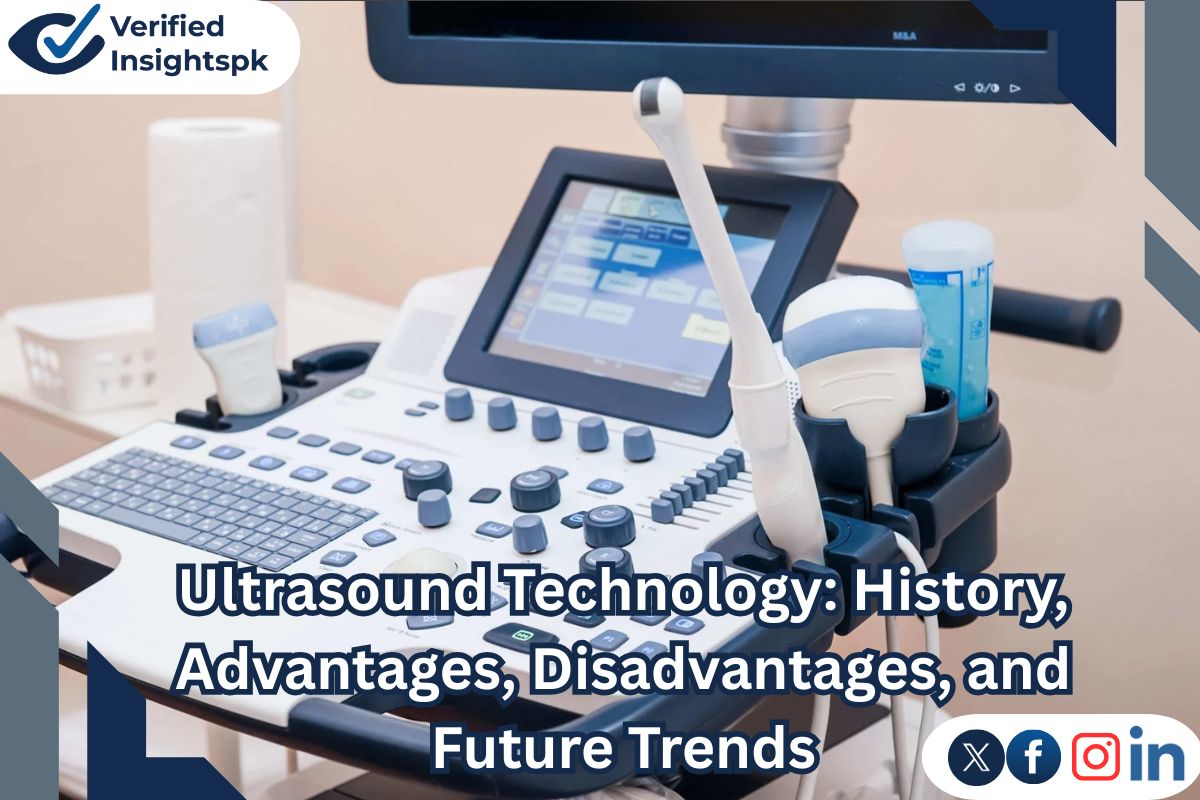
Ultrasound Technology: History, Advantages, Disadvantages, and Future Trends
Ultrasound technology is one of the most important medical imaging tools used today. Doctors and healthcare professionals rely on it to see inside the human body without surgery. Over the years, ultrasound technology has improved a lot and is now used in many medical fields. This article explains the technology of ultrasound, its history, advantages, disadvantages, educational pathways, and future developments in very simple words.
Technology of Ultrasound
Ultrasound technology uses high-frequency sound waves to create images of the inside of the body. These sound waves are higher than what humans can hear. A device called a transducer sends sound waves into the body. When these waves hit organs or tissues, they bounce back. The machine then turns these echoes into images on a screen.
This technology is widely used because it is safe, painless, and fast. It does not use radiation, which makes it safer than X-rays in many cases. Ultrasound is commonly used during pregnancy, but it is also helpful in checking the heart, muscles, blood flow, and internal organs.
History of Ultrasound Technology
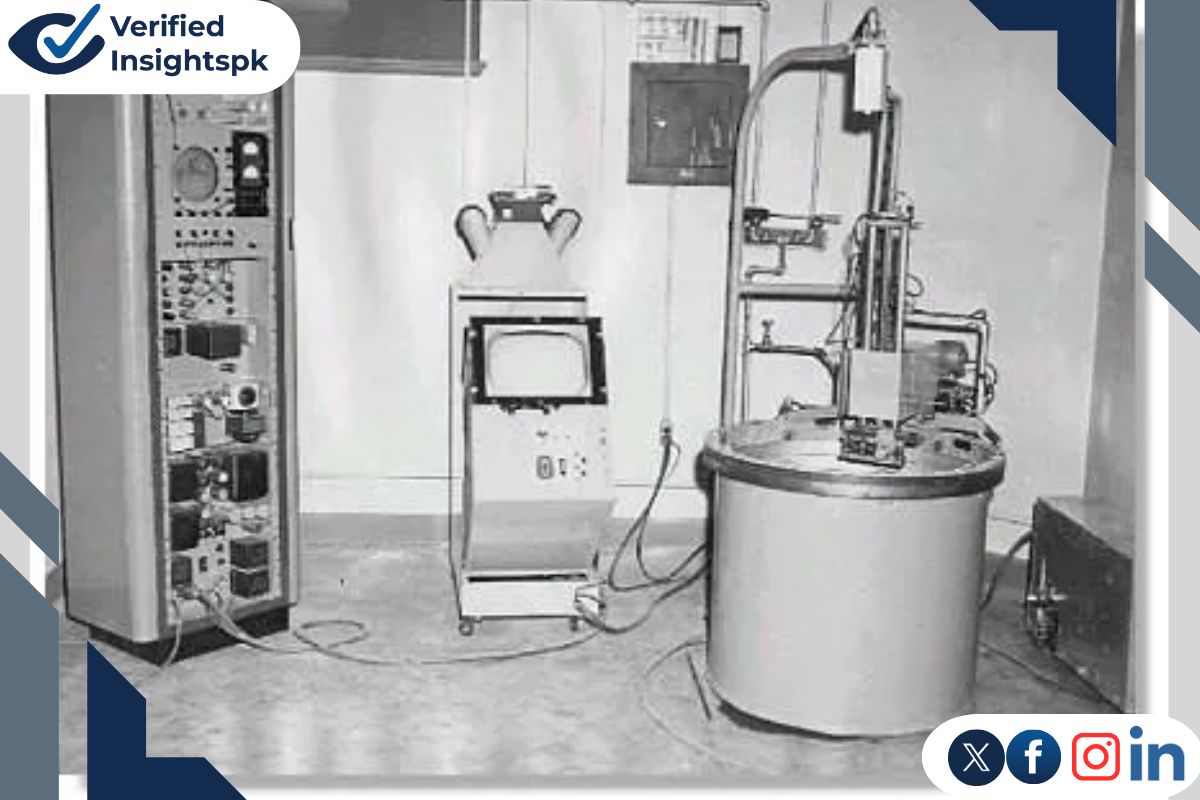
The history of ultrasound technology began in the early 20th century. At first, ultrasound was used to detect objects underwater, such as submarines. Later, scientists realized that sound waves could also be used for medical purposes.
In the 1950s, doctors started using ultrasound in hospitals. Early machines produced very basic images. However, with time and better technology, ultrasound images became clearer and more detailed. Today, modern ultrasound machines can create 3D and 4D images, helping doctors make more accurate diagnoses.
Advantages and Disadvantages of Ultrasound Technology
Like any technology, ultrasound has both benefits and limits. Understanding the advantages and disadvantages of ultrasound technology helps people see its real value.
Advantages of Ultrasound Technology
- It is safe because it does not use radiation
- It is non-invasive and painless
- It provides real-time images
- It is usually low-cost compared to other imaging tests
- It can be used on pregnant women and children safely
Disadvantages of Ultrasound Technology
- Image quality depends on the operator’s skill
- It may not work well for people with too much body fat
- It cannot clearly show bones or air-filled organs
- Results may vary depending on the equipment
Pros and Cons of Ultrasound Technology
The pros and cons are closely related to how and where it is used.
Pros include fast results, safety, and wide availability. Doctors can quickly detect problems such as gallstones, heart issues, or pregnancy health.
Cons include limited image depth and less clarity compared to MRI or CT scans. In some cases, further tests are needed for confirmation.
What Is a Positive Aspect of Having Ultrasound Technology Available
One positive aspect of having ultrasound technology available is early diagnosis. Doctors can detect problems before they become serious. For example, ultrasound helps monitor a baby’s growth during pregnancy and checks organ health without surgery.
Another positive aspect is its role in emergency care. Doctors can quickly examine internal bleeding or organ damage and make fast decisions that save lives.
Bachelor of Science in Ultrasound Technology
A Bachelor of Science in Ultrasound Technology is a degree for students who want to become professionals in this field. This program teaches students how to use ultrasound machines, understand anatomy, and care for patients.
Students learn both theory and practical skills. After completing the degree, graduates can work in hospitals, clinics, and diagnostic centres. This field offers good job opportunities and a stable career in healthcare.
Future of Ultrasound Technology
The future of ultrasound technology looks very promising. Scientists and engineers are working on making machines smaller, faster, and more powerful. Portable ultrasound devices are already being used in ambulances and remote areas.
Artificial intelligence (AI) is also becoming part of ultrasound systems. AI can help doctors read images more accurately and quickly. In the future, ultrasound may be used even more in home healthcare and telemedicine.
The Future of Ultrasound Technology in Medicine
Looking at the future of ultrasound technology, experts believe it will become more advanced and more affordable. 3D imaging, better image quality, and smart software will help doctors diagnose diseases earlier.
Ultrasound may also play a bigger role in cancer detection, heart disease monitoring, and organ health analysis. With continuous research, this technology will remain a key tool in modern medicine.
Conclusion
Ultrasound technology has changed the way doctors diagnose and treat patients. From its early beginnings to modern high-tech machines, it continues to improve healthcare worldwide. Understanding the technology of ultrasound, its history, pros and cons, and future helps us appreciate its importance.
As medical science advances, ultrasound technology will continue to grow, offering safer, faster, and more accurate ways to care for patients.