





Iran War Nears End? Trump Signals Breakthrough as Pakistan Pushes New US-Iran Talks
The Middle East conflict that has shaken global politics, energy markets, and everyday life for millions may finally be moving toward a turning point. On Day 47 of the ongoing war, US President Donald Trump has said the conflict with Iran is “very close to over,” raising fresh hopes for peace after weeks of intense fighting and failed negotiations.
At the center of this diplomatic push is Pakistan, which has emerged as a key mediator between Washington and Tehran. With high-level meetings taking place and new talks being planned, the coming days could prove critical in shaping the future of the region.
Iran War Latest News: A War That Shook the World
According to Iran War, the latest news the war is Nears End? Trump Signals Breakthrough as Pakistan Pushes New US-Iran Talks. The conflict began in late February when tensions between the United States, Israel, and Iran escalated into direct military action. Since then, the situation has rapidly expanded across the Middle East, affecting countries like Lebanon, Iraq, and several Gulf states.
Airstrikes, drone attacks, and naval tensions have become a daily reality. The Strait of Hormuz, one of the world’s most important oil routes, has been partially blocked, sending shockwaves through global markets.
Thousands of people have been killed, and millions have been affected by rising fuel prices, food shortages, and economic instability. This is not just a regional conflict anymore. It has become a global crisis.
Also Read: US-Iran Talks Fail in Islamabad After 21 Hours as Both Sides Blame Each Other
Trump Says War Is ‘Very Close to Over’
In a major statement, President Donald Trump said the war could soon come to an end. According to the White House, there is growing confidence that a deal with Iran is possible.
Officials say they “feel good about the prospects of a deal,” and discussions are already underway for a second round of negotiations. If successful, this could lead to a formal ceasefire and possibly a long-term agreement.
However, Trump has also made it clear that any deal must meet strict conditions. The United States wants Iran to fully step back from its nuclear ambitions and ensure free navigation through key waterways like the Strait of Hormuz.
Pakistan’s Key Role in Peace Talks
One of the most important developments in recent days is the role of Pakistan as a mediator. The country has taken an active position in trying to bring both sides back to the negotiating table.
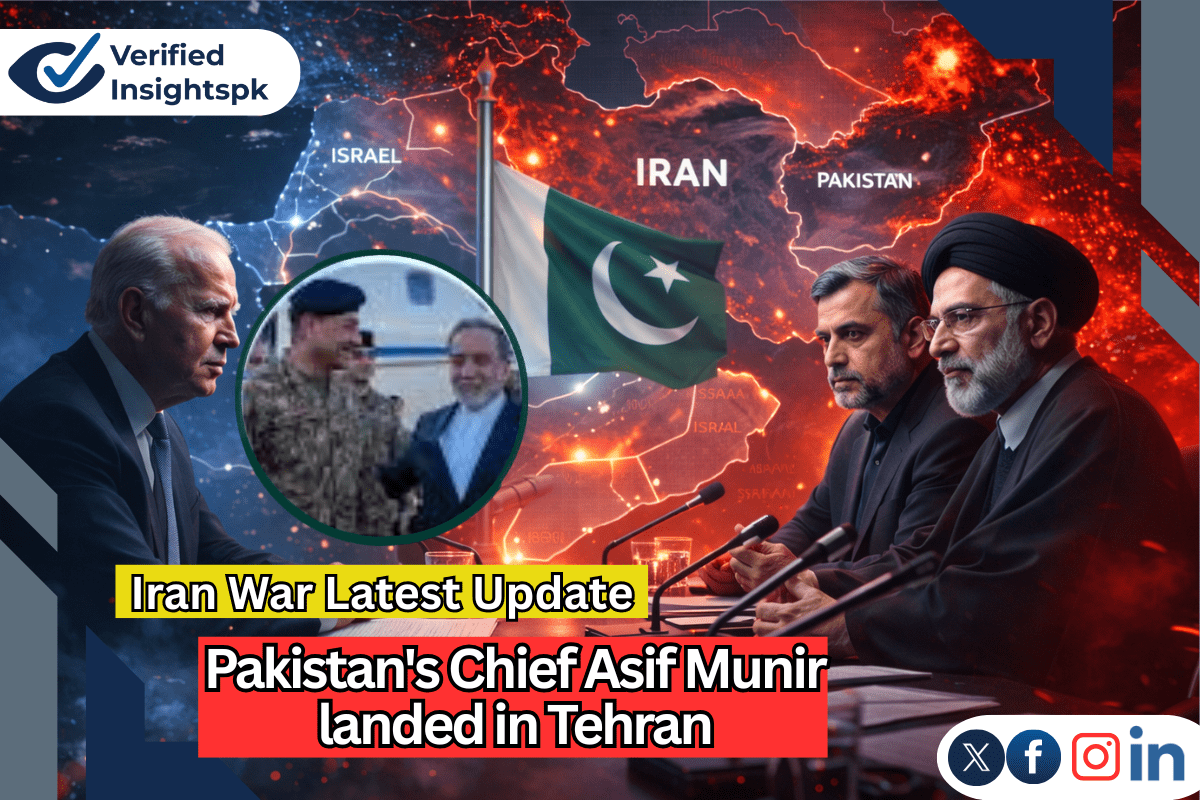
Pakistan’s Army Chief, Asim Munir, recently traveled to Tehran for high-level discussions with Iranian officials. During the visit, he met with Iran’s Foreign Minister Abbas Araghchi and other senior leaders.
According to officials, the Pakistani delegation carried messages between the United States and Iran. This kind of backchannel diplomacy is often used in sensitive negotiations where direct communication is difficult.
Pakistan is also being considered as the venue for the next round of talks. Reports suggest that Islamabad could once again host negotiations within days.
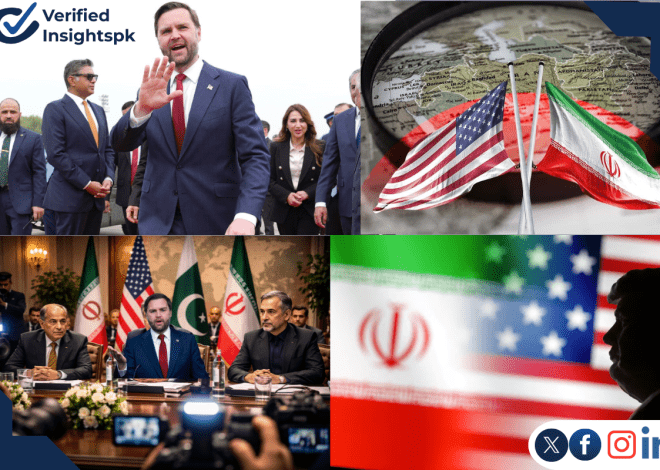
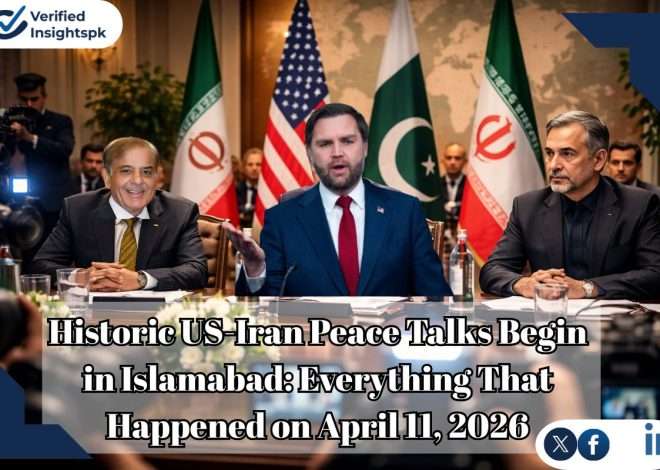
Also Read: Historic US-Iran Peace Talks Begin in Islamabad: Everything That Happened on April 11, 2026
Why the First Round of Talks Failed
Earlier talks held in Islamabad lasted more than 20 hours but ended without any agreement. The discussions were the highest-level direct contact between the US and Iran in over a decade.
The US delegation was led by Vice President JD Vance, while Iran was represented by senior officials, including Foreign Minister Abbas Araghchi.
Despite long discussions, both sides failed to agree on key issues.
The United States demanded a clear commitment from Iran to stop developing nuclear weapons and to limit its missile program. Iran, on the other hand, insisted on its right to nuclear development for peaceful purposes and demanded the lifting of economic sanctions.
There were also disagreements over the future of the Strait of Hormuz. Iran wants control over the region and has even suggested charging transit fees, while the US insists on keeping it open for global trade.
These differences proved too large to overcome in the first round.
Also Read: Iran War 2026: Tehran Rejects US Talks as Israel Strikes Intensify and Global Crisis Deepens
Backchannel Diplomacy Continues
Even though the initial talks failed, efforts did not stop. Instead, both sides have continued communicating indirectly through Pakistan.
Officials say that messages have been exchanged between Washington and Tehran over the past few days. This ongoing communication is a positive sign that neither side has walked away completely.
Iran has also indicated that it never expected a deal to be reached in the first meeting. Its leaders have said they remain open to further discussions.
This suggests that while progress may be slow, the door to diplomacy is still open.
Israel-Lebanon Tensions Add Complexity
While talks between the US and Iran continue, the situation on another front remains tense. Israel is still engaged in heavy fighting with Hezbollah in Lebanon.
Reports suggest that Israel’s security cabinet has been discussing the possibility of a ceasefire. However, airstrikes and clashes continue, causing further loss of life and destruction.
There are also signs of possible diplomatic movement. For the first time in decades, leaders from Israel and Lebanon may engage in direct talks.
This adds another layer of complexity to the overall conflict. Even if the US and Iran reach an agreement, stability in the region will depend on resolving these connected conflicts as well.
Also Read: Pakistan Sends Strong Signal to Overseas Investors: RDA Remains Untouched Even in Crisis
Strait of Hormuz and Global Impact
One of the most critical issues in this conflict is the Strait of Hormuz. This narrow waterway carries about 20 percent of the world’s oil supply.
Iran has threatened to block the strait, and the US has responded with military action to keep it open. At one point, US officials claimed that Iran’s economic sea trade had been completely halted.
This has had a major impact on global oil prices. Markets have been extremely volatile, with prices rising sharply during peak tensions and falling slightly as hopes of peace increase.
The effects are being felt worldwide. Countries that depend heavily on imported energy are facing serious challenges.
Economic and Humanitarian Concerns
Beyond politics and military action, the war has created serious humanitarian and economic problems.
Fuel prices have increased in many countries, making transportation and daily life more expensive. Airlines are facing fuel shortages, and experts warn that flight cancellations could begin soon if the situation does not improve.
Food supply chains are also under pressure. Disruptions in trade routes and rising energy costs are affecting the production and delivery of food worldwide.
Experts warn that if the conflict continues, it could lead to a broader global crisis, especially in developing countries.
Also Read: 7 Best Fuel-Efficient Cars in Pakistan 2026: Complete Buying Guide for Every Budget
Markets React to Peace Hopes
Despite the challenges, there are signs of optimism. Global financial markets have reacted positively to the possibility of a peace deal.
Stock markets in Asia have shown strong gains. Investors are hopeful that a resolution to the conflict will stabilize energy prices and reduce uncertainty.
This shows how closely global markets are tied to geopolitical events. Even small signs of progress in negotiations can have a big impact on investor confidence.
What Happens Next?
The next few days will be crucial. If a second round of talks takes place, it could determine whether the conflict moves toward peace or continues to escalate.
Pakistan’s role will remain important. As a neutral intermediary, it has the trust of both sides and can help bridge the gap between their positions.
However, major challenges still remain. The differences over nuclear policy, sanctions, and regional control are not easy to resolve.
Even if a ceasefire is reached, a long-term agreement will require continued dialogue and compromise from both sides.
A Region Waiting for Peace
For millions of people across the Middle East, the hope is simple. They want peace, stability, and a return to normal life.
The war has already caused enough damage. Families have been displaced, economies have suffered, and uncertainty has become a daily reality.
Now, with renewed diplomatic efforts and strong signals from global leaders, there is a real chance to end the conflict.
Conclusion
The Iran war has reached a critical stage. With President Donald Trump saying the conflict is “very close to over” and Pakistan actively pushing for new negotiations, the world is watching closely.
The visit of Asim Munir to Tehran and the possibility of fresh talks in Islamabad offer hope that diplomacy may succeed where conflict has failed.
But the situation remains fragile. A lasting peace will depend on difficult compromises and continued efforts from all sides.
For now, the message is clear. The war may not be over yet, but for the first time in weeks, it feels like the end could be near.
Topic You Can Explore On Verified Insights Pakistan:
Iran War News 2026: Trump Delays Strikes, Oil Prices Fall, But Global Markets Remain on Edge
Iran War Live Updates: Israel Strikes Tehran and Beirut as Gulf Tensions Explode
Being A Pakistani Youth, What Are the Challenges We Are Facing Today
How the Petrol Price Increase in Pakistan Is Affecting Common People in 2026
Monkeypox Outbreak in Pakistan: Children Dying in Khairpur, Second Case Confirmed in Karachi